Asbestos Abatement

Asbestos Abatement in Raleigh, NC for Safe, Compliant Material Removal
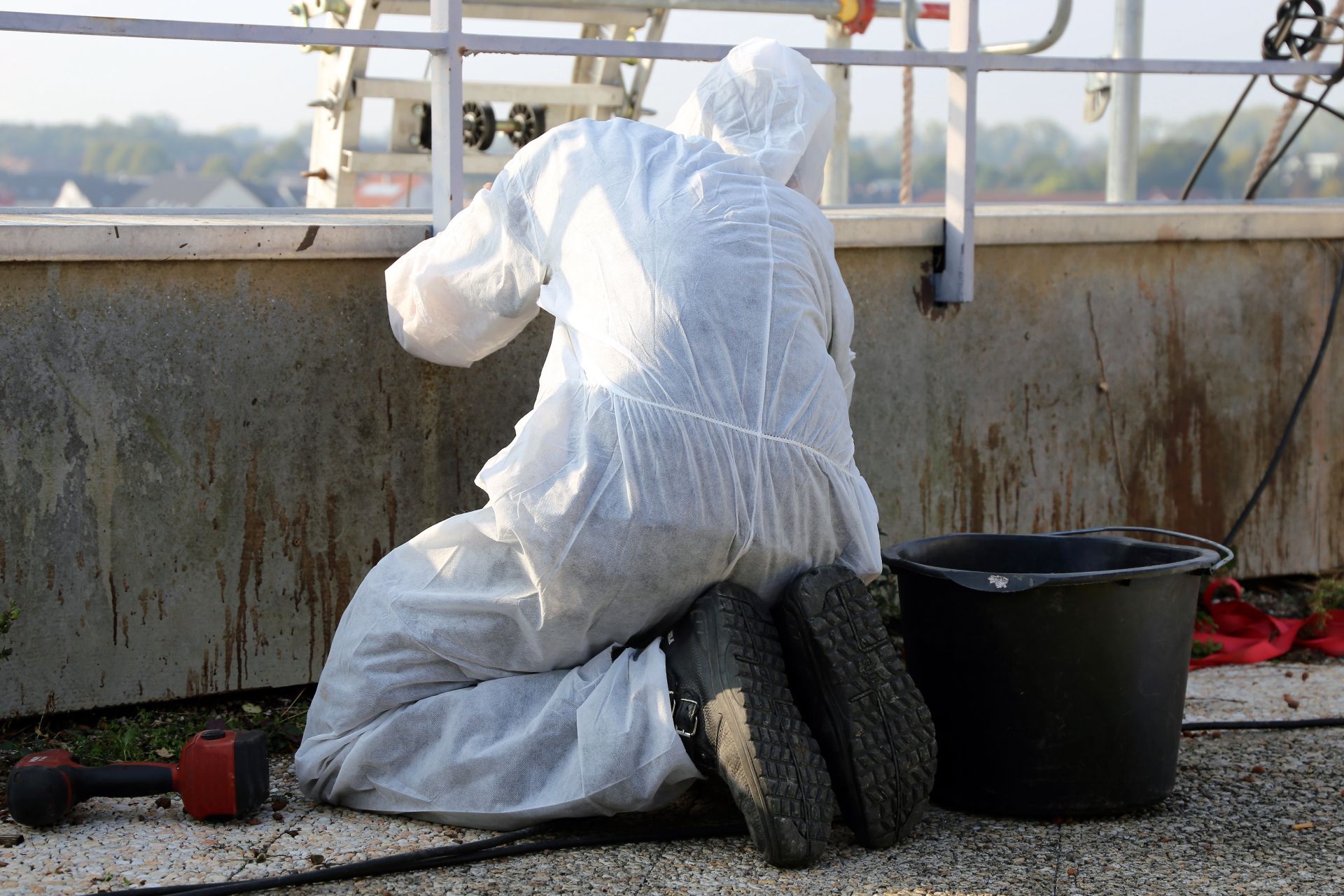
Asbestos abatement in Raleigh, NC removes asbestos-containing materials from buildings before demolition, renovation, or repair work disturbs them. Cecil Holcomb Demolition Inc provides asbestos abatement for single-family homes, multifamily properties, commercial buildings, schools, and industrial facilities across Raleigh and Wake County. Every asbestos abatement project is performed with containment, controlled removal, proper disposal, and documentation that supports permitting and project closeout.
Schedule Asbestos Abatement in Raleigh, NC With Cecil Holcomb Demolition Inc
Heating and AC services focus on maintaining proper cabin climate control through compressor, refrigerant, heater core, and blower system inspection. These systems regulate temperature and airflow for driver comfort. Issues such as refrigerant leaks or compressor failure can reduce system effectiveness and require repair to restore performance.
Engine work involves internal mechanical repair, including timing systems, gaskets, pistons, valves, and compression-related components. These systems are responsible for converting fuel into motion through controlled combustion. Internal wear or damage can affect power output, fuel efficiency, and engine stability, requiring detailed inspection and repair.
Transmission services include fluid maintenance, diagnostics, repairs, and internal component evaluation. The transmission controls how engine power is transferred to the wheels through gear changes. Issues such as slipping, delayed shifting, or fluid degradation can affect performance and require mechanical or hydraulic correction.
Engine Work
Heating & AC Repair
Transmission Services
When Asbestos Abatement Is Needed
Asbestos abatement becomes necessary when an asbestos inspection identifies materials that will be disturbed or that are already damaged.
Before Building Demolition
Asbestos-containing materials generally must be removed before a building can be demolished. Asbestos abatement is often the final step before total structure demolition can begin.
Before Renovation or Remodeling
Kitchen remodels, flooring replacement, ceiling removal, and wall demolition can disturb asbestos. Asbestos abatement removes these materials before construction work starts.
Damaged or Deteriorating Materials
Asbestos-containing materials that are crumbling, water damaged, or broken may release fibers and often require asbestos abatement even without planned construction.
Fire, Flood, and Storm Damage
Damaged older buildings frequently need asbestos abatement before restoration crews can safely remove affected materials.

Asbestos Abatement Regulations in North Carolina
Asbestos abatement in North Carolina is regulated at both the state and federal level.
Accredited Abatement Personnel
North Carolina requires asbestos abatement work to be performed by workers and supervisors accredited through the state's Health Hazards Control Unit.
State Permitting and Notification
Asbestos abatement projects above certain material quantity thresholds generally require a permit or notification to North Carolina's Health Hazards Control Unit before work begins.
Federal NESHAP and OSHA Standards
Federal NESHAP rules govern asbestos handling and disposal, and OSHA standards set requirements for worker protection, air monitoring, and work practices during asbestos abatement.
The Asbestos Abatement Process
Asbestos abatement follows a strict sequence designed to keep fibers contained and the surrounding building safe.
Work Area Preparation
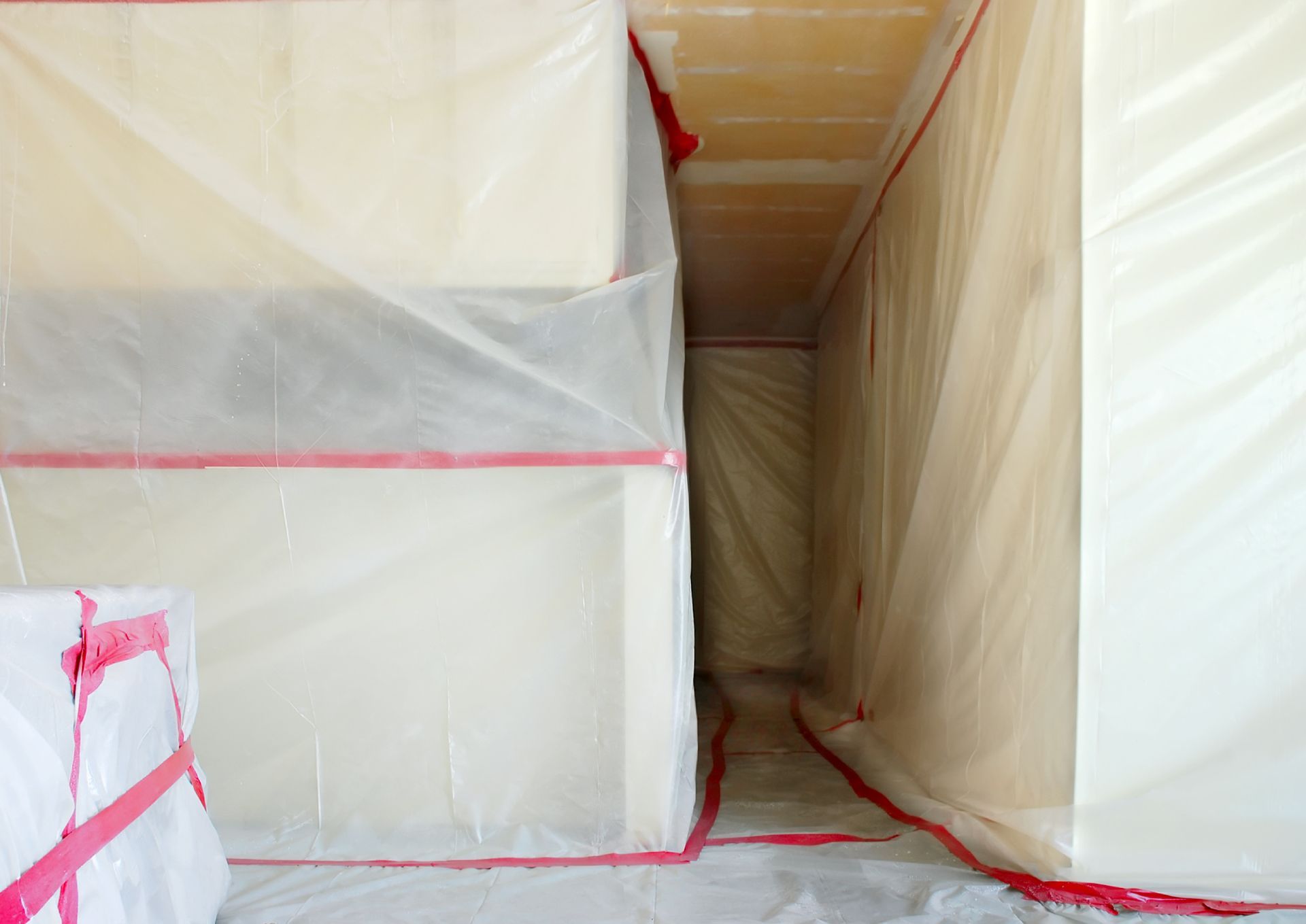
The abatement area is isolated from the rest of the building. HVAC systems are shut down and sealed, and floors and walls are covered with polyethylene sheeting.
Containment and Negative Air
A sealed containment is built with decontamination chambers for workers. Negative air machines with HEPA filtration keep air flowing into the containment so fibers do not escape.
Wet Removal Methods
Asbestos-containing materials are wetted to reduce fiber release, then carefully removed using hand tools and methods appropriate to the material type.
Bagging and Disposal
Removed materials are sealed in labeled, leak-tight bags or containers and transported to a landfill permitted to accept asbestos waste. Waste shipment records document proper disposal.
Cleaning and Clearance
After removal, surfaces are HEPA vacuumed and wet wiped. A visual inspection and, where required, clearance air sampling confirm the area is ready for re-occupancy or demolition.
Common Materials Removed Through Asbestos Abatement
Asbestos abatement covers a wide range of building materials found in older Raleigh properties.
Floor Tile and Mastic Removal
Vinyl asbestos tile and black mastic adhesive are among the most frequent asbestos abatement projects in homes and commercial buildings.
Popcorn and Acoustic Ceiling Removal
Textured ceilings and acoustic tiles containing asbestos are removed under containment before remodeling.
Pipe and Boiler Insulation Removal
Thermal system insulation in basements, crawlspaces, and mechanical rooms is removed using glove bags or full containment depending on the scope.
Siding and Roofing Removal
Asbestos cement siding and roofing materials are removed carefully to keep panels intact and limit fiber release.
Drywall and Joint Compound Removal
Walls with asbestos-containing joint compound or textured coatings are removed as part of asbestos abatement before wall demolition or interior demolition.
Asbestos Abatement for Raleigh Properties
Raleigh has a large inventory of homes and commercial buildings constructed before 1980, making asbestos abatement a regular part of local demolition and renovation.
Older Residential Neighborhoods
Mid-century homes in areas like Lake Boone, Budleigh, and North Raleigh frequently contain asbestos floor tile, ceiling texture, and duct insulation.
Commercial and Institutional Buildings
Older offices, schools, churches, and industrial buildings across Wake County often require larger-scale asbestos abatement before renovation or redevelopment.
Coordinated Abatement and Demolition
Combining asbestos abatement with demolition under one team simplifies scheduling and keeps the project moving from inspection to cleared site.
Frequently Asked Questions About Asbestos Abatement in Raleigh, NC
What is asbestos abatement?
Asbestos abatement is the controlled removal, encapsulation, or enclosure of asbestos-containing materials to prevent fiber release, performed under strict containment and disposal procedures.
Is asbestos abatement required before demolition in North Carolina?
Asbestos-containing materials identified during the required pre-demolition asbestos inspection generally must be removed before demolition proceeds.
Who can perform asbestos abatement in North Carolina?
Asbestos abatement in North Carolina must be performed by workers and supervisors accredited by the state's Health Hazards Control Unit.
How much does asbestos abatement cost in Raleigh?
Asbestos abatement cost depends on the type and quantity of material, access, containment requirements, disposal, air monitoring, and permitting.
How long does asbestos abatement take?
Small residential asbestos abatement projects may take one to three days, while larger commercial projects can take several weeks.
Can I stay in my home during asbestos abatement?
Depending on the size and location of the work, occupants may need to stay out of the affected area or leave the home temporarily until clearance is achieved.
What is the difference between asbestos removal and encapsulation?
Removal takes asbestos-containing material out of the building, while encapsulation seals it in place with a coating. Removal is required when materials will be disturbed by demolition.
Where does removed asbestos go?
Asbestos waste is sealed, labeled, and transported to a landfill permitted to accept asbestos, with waste shipment records documenting disposal.
Can I remove asbestos myself in North Carolina?
Asbestos removal involves serious health risks and strict regulations. Removal for demolition and most renovation projects must be handled by accredited professionals.
How do I know the area is safe after asbestos abatement?
A visual inspection and, where required, clearance air sampling confirm that asbestos abatement is complete and the area is ready for use or demolition.
Do I need an asbestos inspection before asbestos abatement?
Yes. An asbestos inspection identifies which materials contain asbestos and how much is present, which determines the asbestos abatement scope.
Call Cecil Holcomb Demolition Inc for Asbestos Abatement in Raleigh, NC